
Table of Contents
When your water heater not working becomes an urgent household crisis, especially during Illinois winters, you need answers fast. Dealing with inconsistent water flow throughout your home can be incredibly frustrating. Learning how to adjust the water pressure regulator settings is one of the most effective ways to restore optimal water flow and prevent costly plumbing damage. Whether you’re experiencing weak shower pressure or excessive force that’s damaging your fixtures, this comprehensive guide will walk you through the process safely and effectively.
Water pressure issues affect millions of homeowners annually, often leading to higher utility bills, damaged appliances, and reduced comfort. The good news is that many pressure problems can be resolved by properly adjusting your water pressure regulator; a simple device that controls the flow entering your home’s plumbing system.
Understanding Your Water Pressure Regulator
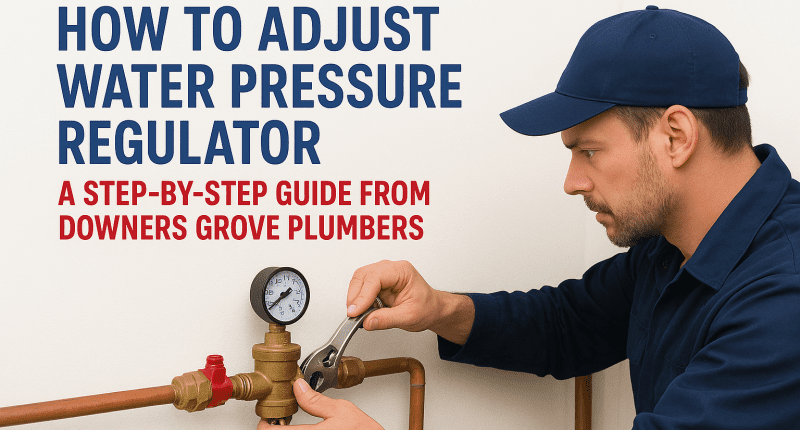
A water pressure regulator is a bell-shaped device typically installed where your main water line enters your home. This essential component reduces the high pressure from municipal water systems to levels safe for residential plumbing. Most home systems operate optimally between 40-60 PSI (pounds per square inch).
Without proper regulation of water pressure, city water pressure, which can exceed 150 PSI, would damage pipes, fixtures, and appliances. The regulator acts as a protective barrier, ensuring consistent, manageable pressure throughout your plumbing system.
Signs Your Water Pressure Needs Adjustment
Recognizing pressure problems early can save significant water pressure repair costs. Watch for these common indicators:
- Weak water flow from multiple fixtures simultaneously
- Banging or vibrating pipes when turning faucets on or off
- Inconsistent pressure between different areas of your home
- Frequent appliance repairs due to pressure-related damage
- Higher than normal water bills from system inefficiencies
- Leaking fixtures or joints caused by excessive pressure
These symptoms often indicate that your regulator needs adjustment or replacement. Early intervention prevents more serious plumbing emergencies down the road.
Essential Tools and Safety Preparations
Before beginning any pressure adjustment work, gather the following tools:
- Adjustable wrench (10-inch recommended)
- Water pressure gauge with hose connection
- Flathead or Phillips screwdriver
- Safety gloves and eye protection
- Flashlight or headlamp for visibility
- Pen and paper for recording pressure readings
Safety should always be your top priority. Never attempt to adjust regulators connected to gas lines or work on systems you’re unfamiliar with. When in doubt, consult a professional plumber to avoid potential hazards.
How to Adjust A Water Pressure Regulator: Step-by-Step Process
Step 1: Measure Current Pressure
Start by testing your existing water pressure. Attach your pressure gauge to an outdoor spigot or basement utility sink. Turn the water on fully and record the PSI reading. This baseline measurement helps determine how much adjustment is needed.
Step 2: Locate the Pressure Regulator
Find your water pressure regulator near the main shutoff valve. In most Downers Grove homes, you’ll discover it in the basement, crawl space, or near the water meter. Look for a bell-shaped device with an adjustment screw on top.
Step 3: Shut Off Main Water Supply
Turn off your home’s main water valve completely. Open several faucets throughout the house to drain residual water from the pipes. This prevents flooding and allows for safe adjustment work.
Step 4: Make Pressure Adjustments
Locate the adjustment screw on your regulator’s top. Turn clockwise to increase pressure or counterclockwise to decrease it. Make only quarter-turn adjustments at a time; dramatic changes can damage your entire plumbing system.
Step 5: Test and Verify Results
Restore water supply and test pressure again using your gauge. The ideal range remains 40-60 PSI for most residential applications. If additional adjustment is needed, repeat the process with smaller increments until achieving desired pressure levels.
Step 6: System-Wide Testing
Check all fixtures throughout your home to ensure consistent pressure. Pay special attention to:
- Kitchen and bathroom faucets
- Shower heads and bathtub spouts
- Washing machine connections
- Dishwasher water supply
- Outdoor hose connections
This comprehensive testing ensures your adjustments have resolved pressure issues without creating new problems elsewhere.
Maintenance Tips for Long-Term Success
Regular maintenance prevents future pressure problems and extends your regulator’s lifespan. Consider these preventive measures:
Monthly Tasks:
- Test water pressure at multiple locations
- Check for visible leaks around the regulator
- Listen for unusual sounds in your plumbing system
Annual Maintenance:
- Professional inspection by a plumber of your pressure regulator
- Replacement of worn washers and seals
- Calibration of pressure settings if needed
Most residential pressure regulators last 10-15 years with proper maintenance. However, hard water, extreme temperatures, and high usage can shorten this lifespan significantly.
When to Call For Professional Plumbing Help
While basic pressure adjustments are manageable for most homeowners, certain situations require professional expertise. Contact experienced plumbers when you encounter:
- Regulators that won’t maintain consistent pressure settings
- Visible damage or corrosion on regulator components
- Pressure fluctuations despite proper adjustments
- Any work involving gas line connections
- Complete regulator replacement needs
Solve Your Water Pressure Issues Today
Understanding water pressure regulation empowers homeowners to maintain comfortable, efficient plumbing systems. With proper tools, safety precautions, and patience, most pressure issues can be resolved through careful regulator adjustment.
Contact Plumbing Pros today for expert assistance. Our BBB A+ Accredited team brings over 20 years of experience to every job, with 24/7 emergency services available. We offer military, first responder, and teacher discounts, plus flexible financing through Wisetack. Don’t let water pressure issues disrupt your daily routine; call now for professional solutions backed by our one-year workmanship warranty.


