
Table of Contents
In Downers Grove and throughout the western Chicago suburbs, basement flooding is more than just a seasonal concern—it’s a year-round threat to your home’s foundation and your peace of mind. With our area’s high water table and tendency for heavy rainfall, understanding what a sump pump is and how it protects your home is essential knowledge for every local homeowner. At My Plumbing Pros, we’ve helped countless homeowners prevent basement flooding with proper sump pump installation and maintenance.
Introduction: Your First Line of Defense Against Water Damage
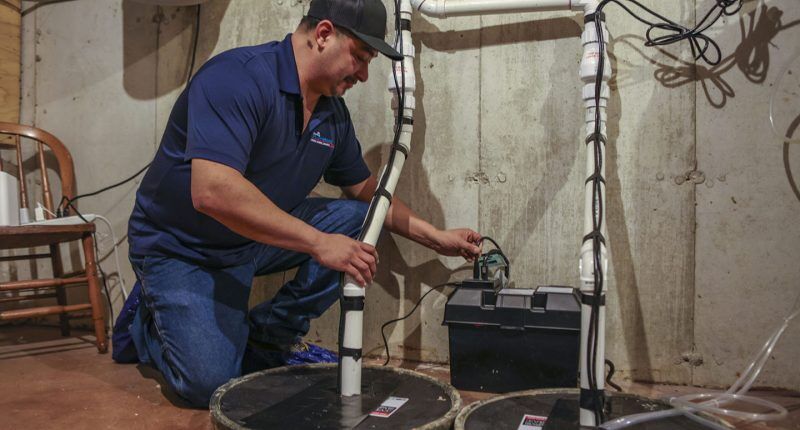
A sump pump is a mechanical device installed in the lowest part of your basement or crawl space that serves as your first line of defense against water intrusion. Its primary purpose is to prevent basement flooding by automatically pumping out accumulated water before it rises to floor level.
Why Downers Grove Homes Need Reliable Sump Pumps
For Downers Grove homes, especially those in low-lying areas near Maple Grove, Forest Preserve, or properties close to St. Joseph Creek, a reliable sump pump system isn’t just a good idea—it’s an absolute necessity. With over 20 years of experience serving the western suburbs, we’ve seen how proper sump pump systems have saved countless homes from potentially devastating water damage during everything from spring thaws to summer thunderstorms.
The Cost of Neglecting Proper Drainage
According to the American Society of Home Inspectors, over 60% of American homes experience below-ground wetness or flooding. Without a functional sump pump, this moisture can lead to mold growth, foundation damage, and thousands in repair costs.
How Sump Pumps Work: The Mechanics Behind Keeping Your Basement Dry
At its core, a sump pump works through a surprisingly simple process that effectively manages excess water around your home’s foundation.
The Water Collection Process
- Water naturally migrates through the soil toward your home’s foundation
- This excess water is directed into a specially constructed sump pit (also called a basin)—a hole typically 18-24 inches deep and 2 feet in diameter dug into the lowest part of your basement floor
- As water collects in the sump pit and the water level rises, it activates a float switch or pressure sensor
- When the float switch rises to a specific level, it triggers the pump to turn on
- The activated pump removes water through a discharge pipe that leads outside your home, directing water away from the foundation
Critical Components for Effective Operation
The entire system relies on the proper installation of all components—from the sump pit itself to the discharge line and check valve—to function effectively. A check valve prevents water from flowing back into the basement, while properly sized discharge pipes ensure efficient water removal. This is especially important in Downers Grove, where our clay-heavy soil can retain significant moisture after heavy rainfall. Learn more about how we address clogged drains which often work together with your sump system.
Types of Sump Pumps: Finding the Right System for Your Downers Grove Home
Not all sump pumps are created equal, and choosing the right type for your specific needs is crucial. The best sump pump for your home depends on several factors including your basement’s size, local water table, and budget.
Primary Sump Pumps
Submersible Sump Pumps
- Sits completely underwater in the sump pit
- Generally quieter operation (important for finished basements)
- More powerful and typically longer-lasting
- Ideal for homes with frequent water issues or finished basements
- More expensive upfront but often more economical in the long run
Pedestal Sump Pumps
- Motor positioned above the sump pit, keeping it dry
- Typically less expensive than submersible models
- Easier to access for maintenance and repairs
- Generally noisier operation
- Good option for homes with occasional water issues or unfinished basements
Backup Sump Pump Systems
In Downers Grove, where summer thunderstorms can knock out power precisely when you need your sump pump most, a backup system isn’t optional—it’s essential protection for your home.
Battery Backup Sump Pumps
- Activates automatically during power outages
- Typically runs for 4-10 hours depending on water volume
- Provides critical protection during storms
- Requires maintenance and battery replacement every 2-5 years
- The Federal Emergency Management Agency (FEMA) recommends battery backups in flood-prone areas
Water-Powered Backup Pumps
- Uses municipal water pressure to remove water
- No batteries to maintain
- Can run indefinitely during power outages
- Requires adequate water pressure to function properly
- Increases water bill when in use
Signs You Need a Sump Pump: Protecting Your Downers Grove Investment
Understanding when your home needs a sump pump is critical for protecting your investment in our often wet Chicago climate.
Environmental Indicators
If your property has any of these characteristics, installing a sump pump should be a priority:
- History of basement water issues or dampness
- High water table in your neighborhood
- Property located in low-lying areas or near waterways
- Clay-rich soil that retains moisture (common in Downers Grove)
- Finished basement that requires extra protection
Home Structure Considerations
Certain home features may also signal the need for a sump pump:
- Older homes with aging foundations
- Homes with drain tile systems that direct water to a collection point
- Properties with French drains or other drainage systems
- Basements with visible foundation cracks
- Crawl spaces with moisture issues
Sump Pump Installation Basics: Doing It Right the First Time
Installing a sump pump properly is crucial for long-term performance and protection. While some homeowners attempt DIY installation, professional installation ensures your system meets local building codes and functions optimally.
Professional vs. DIY Installation
Professional installation offers several advantages:
- Ensures compliance with Downers Grove building codes
- Proper sizing based on your home’s specific needs
- Correct positioning of the discharge line away from the foundation
- Integration with existing drainage systems
- Warranty protection for both parts and labor
For more information on professional installation, visit our sump pumps service page.
The Installation Process
A proper sump pump installation typically includes:
- Excavating the sump pit in the lowest part of your basement
- Installing drainage channels if needed
- Positioning the pump correctly in the basin
- Connecting the discharge pipe and running it outside your home
- Installing a check valve to prevent backflow
- Setting up any backup systems or alarms
- Testing the entire system thoroughly
A Downers Grove Success Story: The Johnson Family
When the Johnson family purchased their 1960s home near Maple Grove Forest Preserve, they were unaware of the property’s drainage issues. After their first spring in the home resulted in a flooded basement with over $12,000 in damage, they called our team for help.
We installed a complete sump pump system with a submersible primary pump and battery backup. Two weeks after installation, during a severe thunderstorm that knocked out power throughout Downers Grove, their backup system kicked in automatically and prevented what would have been another basement flooding incident.
“The peace of mind is worth every penny,” Mrs. Johnson told us. “We can now sleep through storms knowing our basement and belongings are protected.”
Conclusion: Protecting Your Downers Grove Home with the Right Sump Pump
A properly installed and maintained sump pump is an essential investment for Downers Grove homeowners. With our area’s high water table, clay soil, and frequent heavy rainfall, your home’s protection against water damage depends on having the right system in place.
At Plumbing Pros, our 20+ years of experience serving Downers Grove and surrounding communities like Elmhurst, Hinsdale, and Oak Brook ensures we understand the unique challenges of keeping local basements dry. Our OSHA-certified technicians provide expert installation, maintenance, and emergency repairs with a 1-year workmanship warranty.
Don’t wait until you’re dealing with a flooded basement to think about your sump pump needs. Contact us today for a comprehensive assessment of your home’s water management requirements. As one recent customer shared: “Gary installed a booster pump and new combo sump pump for us recently and we were very satisfied. He was great to work with and very responsive. I would highly recommend him for any type of plumbing work.”
Contact our team today to schedule your sump pump consultation or call our 24/7 emergency line if you’re experiencing flooding issues.
Frequently Asked Questions About Sump Pumps
How much does a sump pump cost in Downers Grove?
The cost of a sump pump in the Downers Grove area typically ranges from $300-$900 for the pump itself, with installation costs ranging from $800-$1,800 depending on whether you need a new sump pit installed and the complexity of the job. Battery backup systems add approximately $300-$500 to the total. At My Plumbing Pros, we offer financing through Wisetack to make this essential home protection affordable for every budget.
How long do sump pumps last?
With proper maintenance, a quality sump pump typically lasts 7-10 years. Factors affecting lifespan include frequency of use, water quality, and regular maintenance. We recommend having your system professionally inspected annually to maximize its operational life.
How noisy are sump pumps?
Modern submersible sump pumps operate at about 50-60 decibels—similar to a quiet conversation. Pedestal pumps tend to be louder (60-80 decibels) since the motor is above the pit. If noise is a concern, especially for finished basements, we recommend investing in a quality submersible model with sound-dampening features.
Do sump pumps require regular maintenance?
Yes, regular maintenance is essential for reliable operation. Quarterly DIY checks should include:
- Testing the pump by pouring water into the pit
- Checking and cleaning the inlet screen
- Ensuring the float switch moves freely
- Verifying the check valve operation
- Inspecting the discharge line for clogs or freezing in winter
We recommend a professional inspection annually to catch potential issues before they lead to failure.
What happens if my sump pump fails during a storm?
This is precisely why we strongly recommend battery backup systems for all Downers Grove homes. A backup system automatically takes over when your primary pump fails or when power outages occur. Without a backup, you risk significant water damage during the worst possible time. For complete peace of mind, consider our dual-protection systems with both battery and water-powered backups.
Can I install a sump pump myself?
While DIY installation is possible for those with plumbing and electrical experience, professional installation ensures your system meets local building codes and functions properly. Improper installation can lead to insufficient drainage, backflow issues, or even property damage. Our professional installation includes proper sizing, optimal placement, and integration with existing drainage systems—all backed by our 1-year workmanship warranty.
How do I know if my sump pump is working properly?
To test your sump pump, pour a few gallons of water into the sump pit. The pump should activate when the water reaches the trigger level and remove the water promptly. Listen for unusual noises and watch for the discharge outside your home. If you notice slow drainage, strange sounds, or frequent cycling, contact us for a professional inspection.


